The Hidden Health Problems Caused by Sitting All Day at Work (And How to Prevent Them)
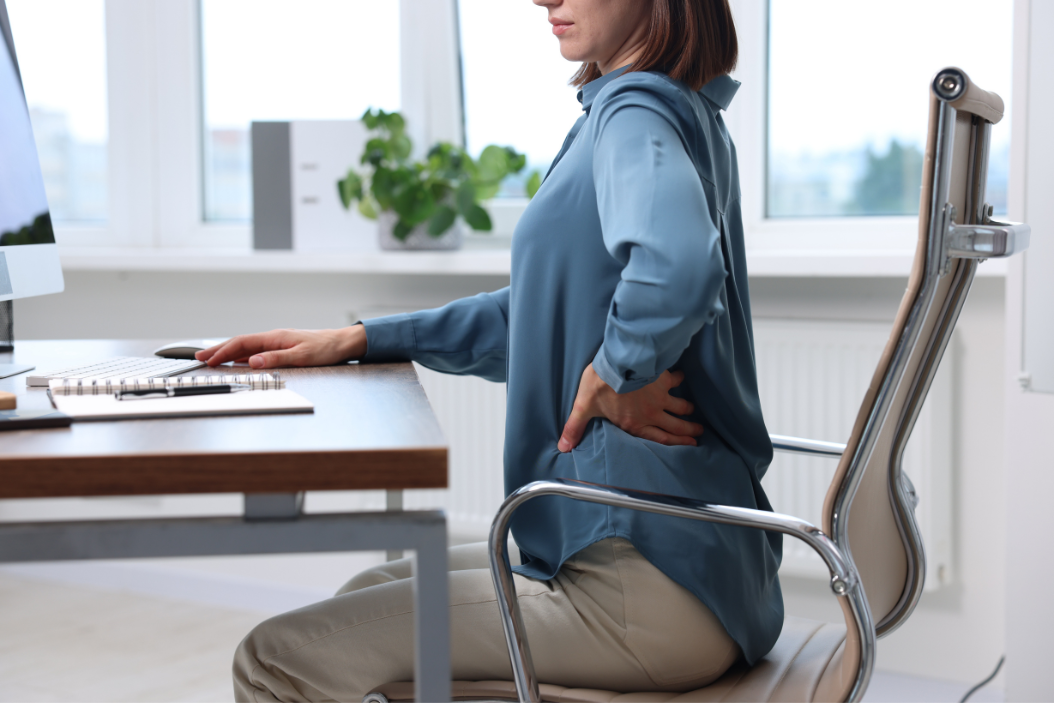
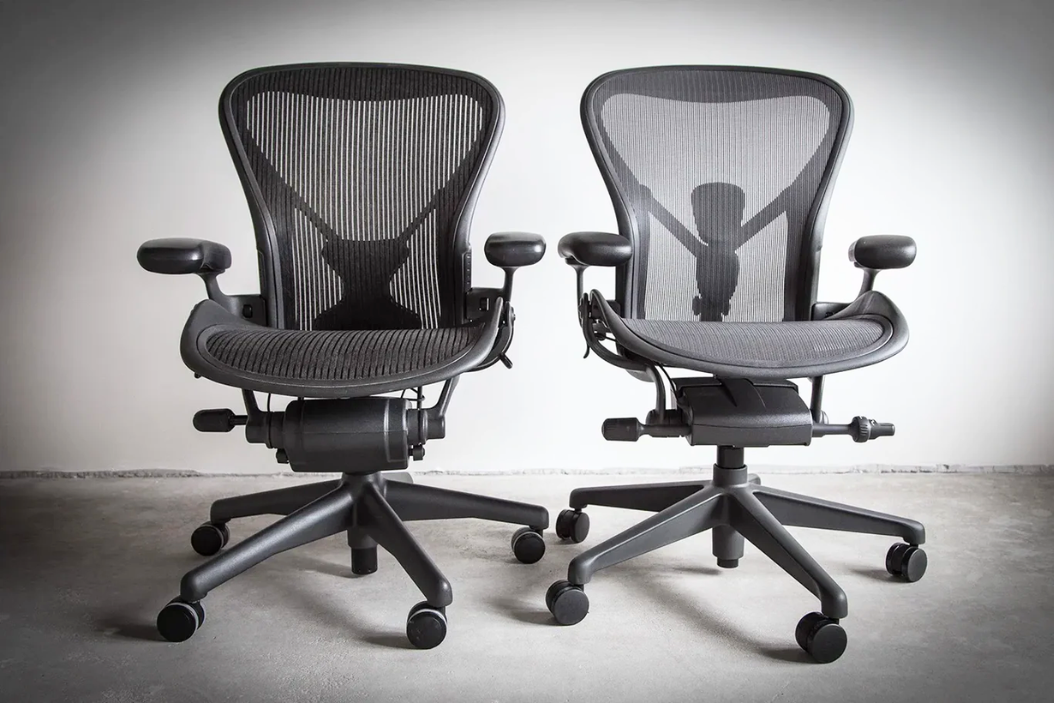
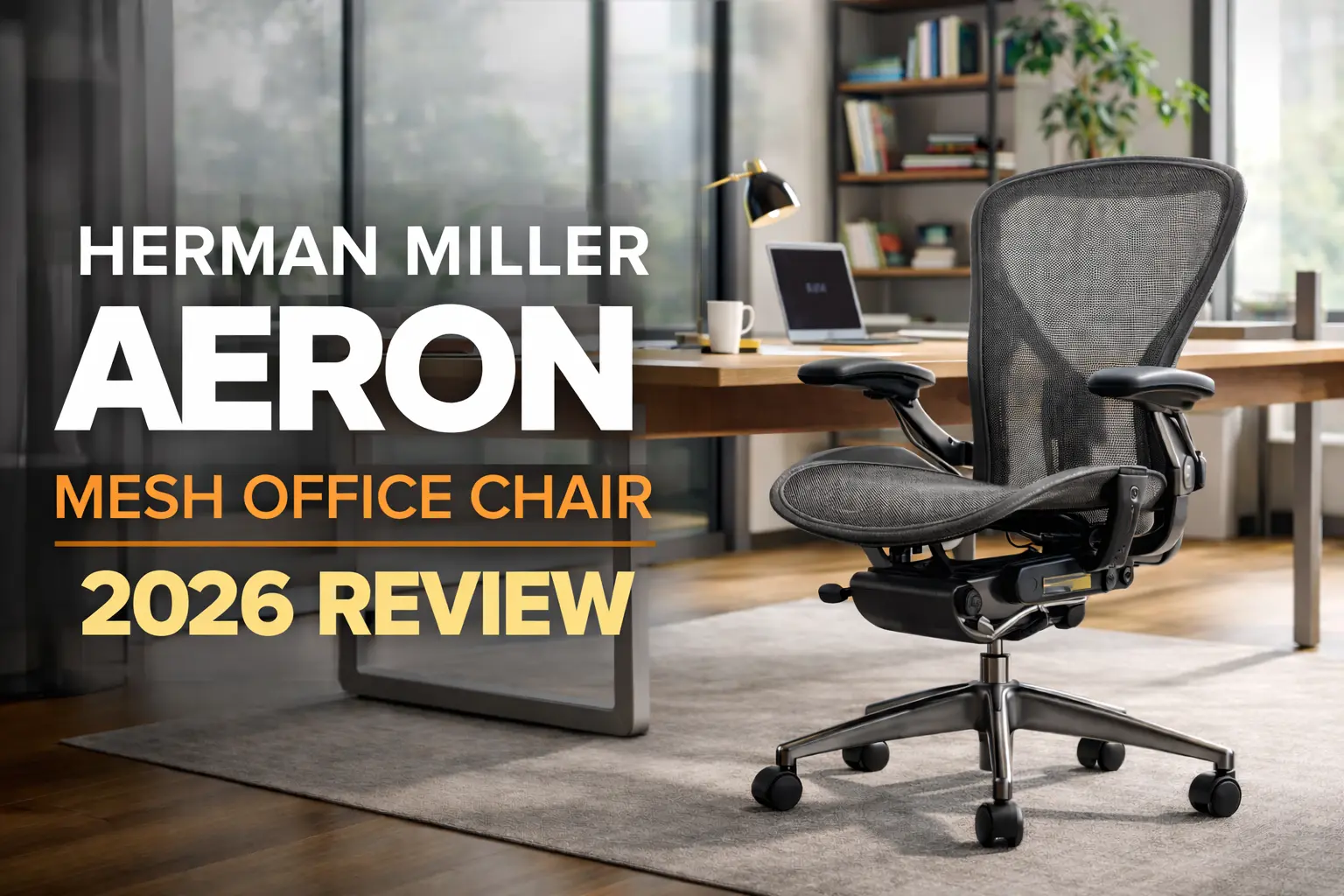
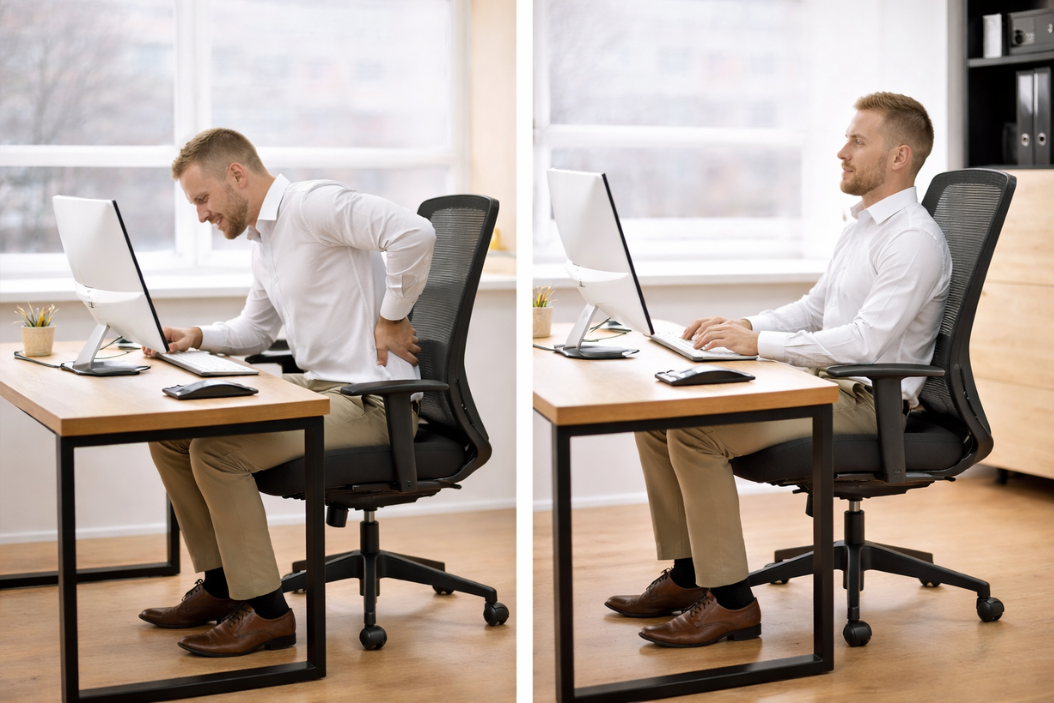
For millions of office workers, a typical workday looks something like this: sit down, open the laptop, answer emails, attend meetings, finish reports, and repeat the process for eight or more hours. It feels normal because it has become the standard routine in modern workplaces. What many people don’t realize, however, is that long hours of sitting can slowly create health problems that develop so gradually they often go unnoticed until discomfort becomes persistent. The human body simply wasn’t designed to remain in one seated position for most of the day. When employees sit for extended periods, especially in poorly designed office setups, muscles, joints, and circulation are affected in ways that can eventually lead to long-term physical strain. Understanding these hidden issues is the first step toward preventing them. Why Prolonged Sitting Is a Problem When the body stays seated for long periods, several systems begin to slow down. Muscle activity decreases, blood circulation becomes less efficient, and posture often starts to deteriorate. Over time, this combination creates stress on the spine, joints, and muscles. Office environments also encourage static posture. Many employees remain focused on their screens for hours without realizing how long they have stayed in the same position. Even small posture mistakes repeated every day can compound into larger physical problems. become the standard routine in modern workplaces. What many people don’t realize, however, is that long hours of sitting can slowly create health problems that develop so gradually they often go unnoticed until discomfort becomes persistent. The human body simply wasn’t designed to remain in one seated position for most of the day. When employees sit for extended periods, especially in poorly designed office setups, muscles, joints, and circulation are affected in ways that can eventually lead to long-term physical strain. Understanding these hidden issues is the first step toward preventing them. Hidden Problems Caused by Long Hours of Sitting Many workplace-related health issues develop gradually. Because they build up slowly, people often assume the discomfort is temporary or unrelated to their work habits. Lower Back Strain Lower back pain is one of the most common issues experienced by office workers. When sitting without proper lumbar support, the natural curve of the spine begins to collapse. The pelvis tilts backward and pressure increases on the spinal discs. Over time this can lead to chronic discomfort, muscle fatigue, and reduced mobility in the lower back. Neck and Shoulder Tension Poor monitor placement or leaning forward while working places additional strain on the neck and shoulders. When the head moves forward from its neutral position, the neck must support significantly more weight. This posture often causes stiffness, headaches, and upper back fatigue by the end of the workday. Reduced Circulation Lower back pain is one of the most common issues experienced by office workers. When sitting without proper lumbar support, the natural curve of the spine begins to collapse. The pelvis tilts backward and pressure increases on the spinal discs. Over time this can lead to chronic discomfort, muscle fatigue, and reduced mobility in the lower back. This can cause symptoms such as: Leg stiffness Swelling in the feet or ankles Fatigue during the day Movement helps maintain healthy circulation, which is why regular breaks are important during long work sessions. Poor Posture Habits Many workers unintentionally develop poor posture habits while focusing on their tasks. Slouching, leaning toward the screen, or sitting at the edge of a chair gradually trains the body into unhealthy positions. Once these habits become routine, they can affect spinal alignment and increase the risk of long-term musculoskeletal issues. Why Most People Don’t Notice the Problem One reason these issues are common is that the discomfort develops gradually. At first, symptoms may only appear occasionally, such as mild stiffness or fatigue late in the day. Because the discomfort fades after resting or sleeping, people often overlook the connection between their workspace setup and their physical health. By the time pain becomes frequent, the body has already adapted to unhealthy movement patterns. Preventing Office-Related Physical Problems Fortunately, many of these issues can be prevented with a few simple changes to workstation setup and daily habits. Maintain Proper Sitting Posture Good sitting posture keeps the spine in a neutral alignment. Key elements include: Feet flat on the floor Knees roughly level with the hips Back supported by the chair Shoulders relaxed Head aligned with the spine This posture reduces unnecessary strain on the back and neck. Preventing Office-Related Physical Problems Fortunately, many of these issues can be prevented with a few simple changes to workstation setup and daily habits. Maintain Proper Sitting Posture Good sitting posture keeps the spine in a neutral alignment. Key elements include: Feet flat on the floor Knees roughly level with the hips Back supported by the chair Shoulders relaxed Head aligned with the spine This posture reduces unnecessary strain on the back and neck. Preventing Office-Related Physical Problems Fortunately, many of these issues can be prevented with a few simple changes to workstation setup and daily habits. Maintain Proper Sitting Posture Good sitting posture keeps the spine in a neutral alignment. Key elements include: Feet flat on the floor Knees roughly level with the hips Back supported by the chair Shoulders relaxed Head aligned with the spine This posture reduces unnecessary strain on the back and neck. Adjust Monitor and Desk Height A well-designed ergonomic chair supports the natural curve of the spine and distributes body weight evenly. Features such as lumbar support, adjustable armrests, and seat height adjustment allow users to tailor the chair to their body. High-quality ergonomic seating, such as models like the Herman Miller Aeron, is specifically designed to promote proper posture and long-term comfort during extended work sessions. Maintain Proper Sitting Posture Good sitting posture keeps the spine in a neutral alignment. Key elements include: Feet flat on the floor Knees roughly level with the hips Back supported by the chair Shoulders relaxed Head aligned with the spine This posture reduces unnecessary